
About Us
Home
/
About Us
Our Philosophy
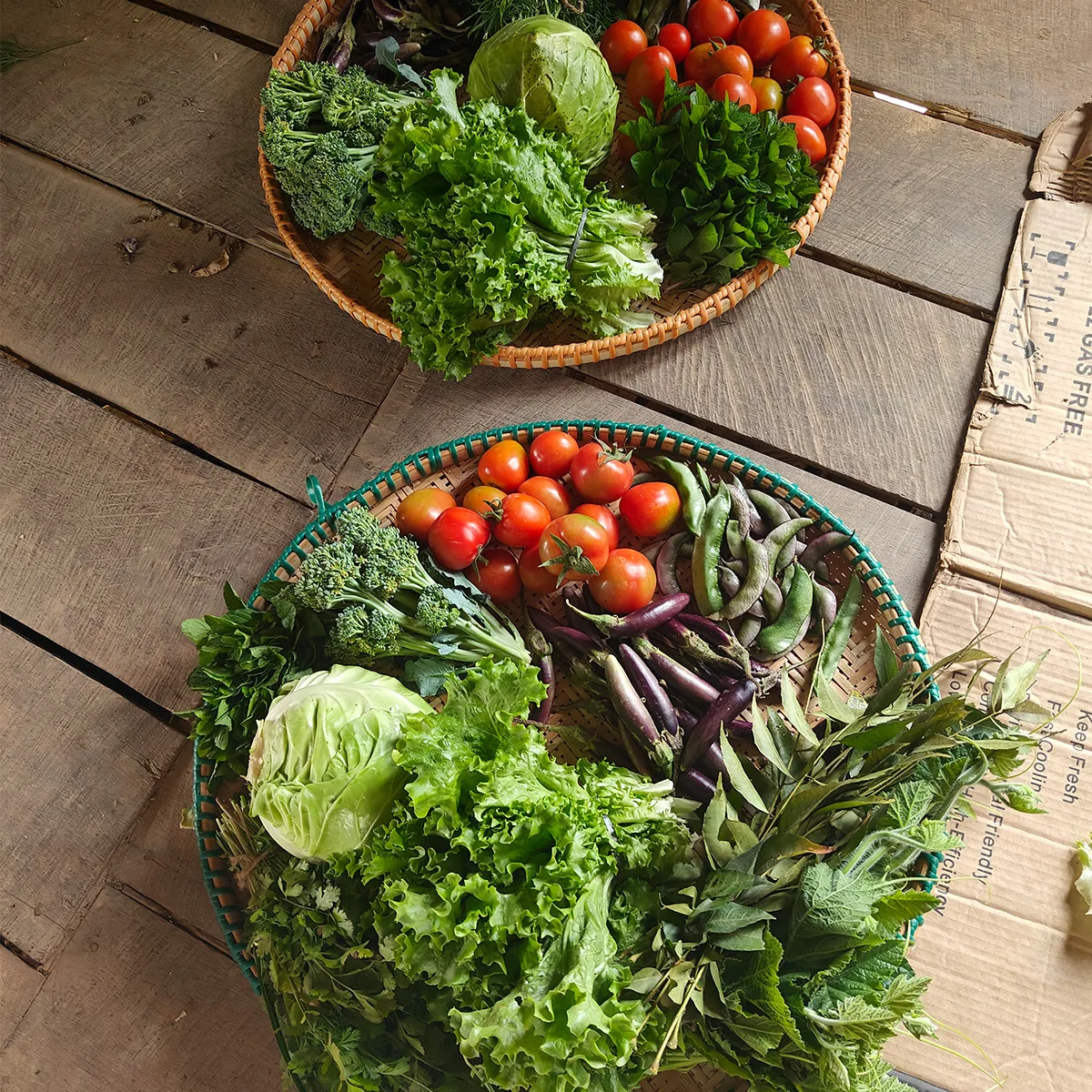
At Himalchuli Nature Farmstay, sustainability is not simply a practice—it is the foundation of everything we do. Located in the buffer zone of Chitwan National Park, we are committed to conserving nature while creating meaningful benefits for local communities. We grow a significant portion of our food using environmentally responsible farming methods, minimize waste through composting and recycling, conserve water and energy wherever possible, and encourage biodiversity by protecting native plants and wildlife habitats. Our farmstay works closely with local farmers, artisans, and indigenous communities, ensuring that tourism directly supports rural livelihoods and preserves traditional knowledge.
Nourish your body with fresh farm-to-table cuisine, clean air, peaceful surroundings, and experiences that promote physical and mental wellbeing.
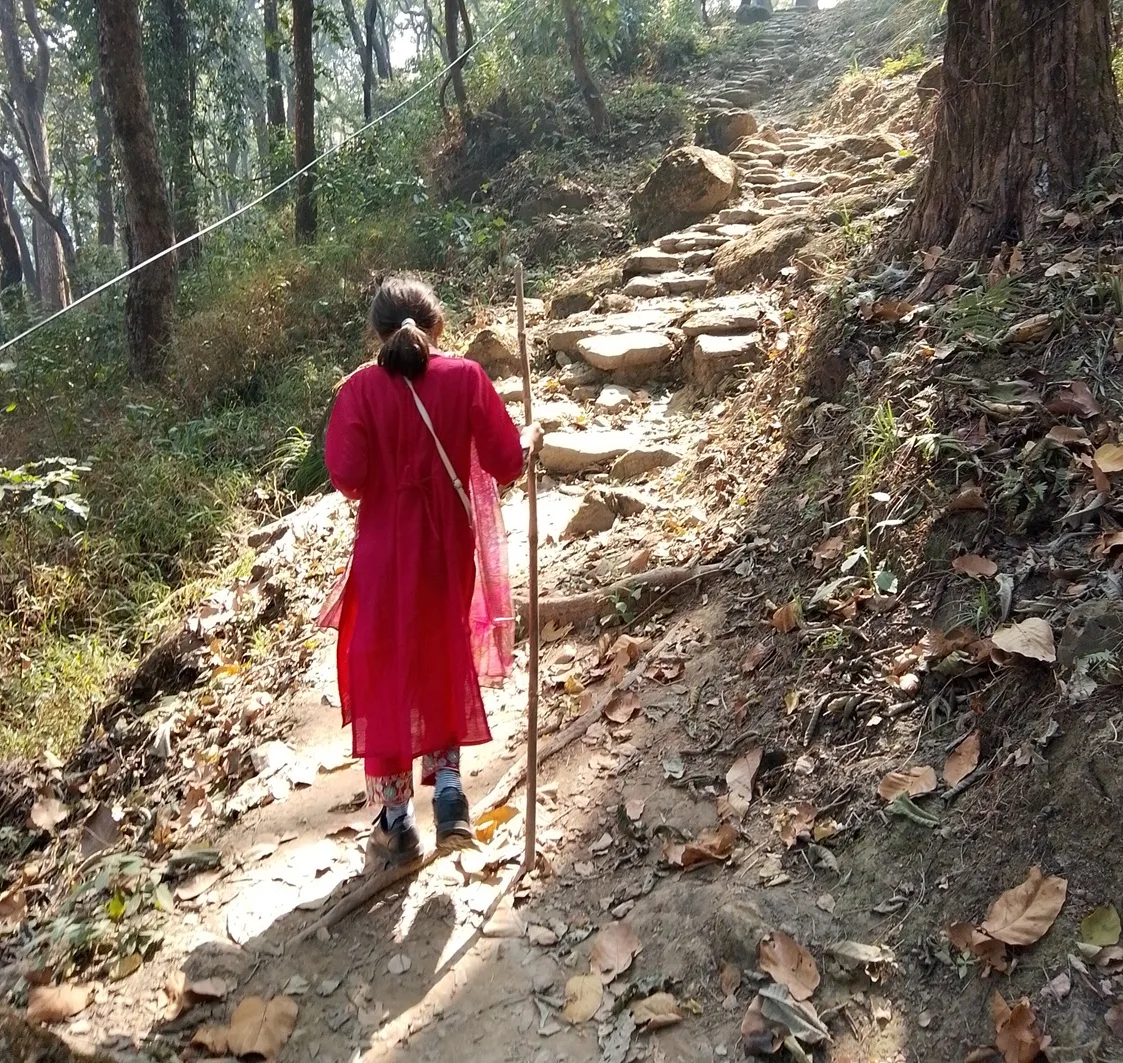
Travel responsibly while supporting biodiversity, regenerative farming, local communities, and the conservation of the unique landscapes surrounding Chitwan National Park.
Create meaningful moments through authentic cultural encounters, wildlife experiences, and heartfelt hospitality that stay with you long after your journey ends.
Milestones
Year One
Dhruba and Rashmi meet through an agriculture project and begin questioning the growing disconnect between indigenous farming, healthy food, and modern agriculture.
Year Two
Inspired by indigenous knowledge and ecological farming, they discover Madi Valley and envision a model where farming, health, conservation, and livelihoods come together.
Year Three
They leave the NGO world, establish the farm, develop sustainable farming systems, invest in the land, and begin training local farmers.
Year Four
The farm evolves into a unique hospitality experience where guests eat seasonal produce from the farm and experience a deeper connection with nature and local life.
Today
The vision becomes a sustainable and profitable business, proving that caring for the soil, producing good food, supporting communities, and creating meaningful experiences can all work together.
Our Story
Dhruba Adhikari and Rashmi Pandit met while working on an agriculture project for an international NGO in Nepal's mid hills and lowlands. The work was well-intended, but something didn't fit. Hybrid seeds replacing local varieties. Imported methods overriding indigenous knowledge. And everywhere they looked, the food system was moving toward chemicals, shortcuts, and a growing distance between the people who grew food and the people who ate it. That distance bothered them more than anything. Both shared a deep conviction that good health begins with what you put on your plate — and that begins with how the soil is treated. They watched families in the mid hills growing food without chemical inputs, eating what the season offered, living with a vitality no processed diet could replicate. Yet these same families were being told their methods were outdated.
The question that stayed with them was the same, though they came at it differently. Dhruba — an avid reader and passionate about ecology — kept noticing that indigenous communities already understood sustainability better than the experts advising them. Rashmi — trained at IAAS Rampur, one of Nepal's foremost agriculture campuses — saw it from the practical side: how do you build a model where farming well, eating well, and earning well are the same thing? The answer came to them in the Madi Valley — a quiet stretch of farmland between the Someshwar hills and Chitwan National Park, rich in everything that mattered: fertile soil, indigenous heritage, extraordinary wildlife, and a community ready to try something new.
They left the NGO world and started building. Dhruba shaped the ecological vision, the conservation partnerships, and the creative identity — how the place feels, how guests connect with the land. Rashmi designed the farming systems, managed the investment, and trained local farmers. Together, they built the hospitality as an extension of their home. The kitchen runs on what the farm produces that morning. Guests typically eat what the land offers that day. It is hospitality rooted not in luxury but in care: for the guest, for the food, and for the soil that grew it.


Guest Reviews

Italy
We stayed at Himalchuli for a week and had a very pleasant experience. What I liked most about this place was that they do exactly what they communicate. It’s authentic. They really care about the environment, they do organic farming, and use ecological methods in everything. So it is perfect for you if you’re an environment conscious traveller who is looking for some comfort as well. Rooms are beautiful, big, very clean and have all you can need (fan, fridge, hot water…). The team is made of local people and everyone is very nice and careful with everything. We were the only guests at that time so they gave us a lot of attention and care…maybe we would have appreciated to have more space though. Food was very good and healthy. Overall it was a very very nice experience and I absolutely recommend it!
Pokhara
A real luxury! A peaceful and authentic farm stay at a very decent price nestled on an island within Chitwan National Park. It offers a true farm-life experience, surrounded by nature with easy wildlife sightings. Clean rooms, fresh organic food and a deeply calm atmosphere make the stay genuinely refreshing. What truly stands out are the warm, goodspirited people behind it, guided by a clear vision of good food, good ecology and a good experience.
Israel
We love the food.beautiful eria.room waz soo good. Ac,clean,coffe tea hot water.fresh wather.exelent room.balcony beautiful.nice vew.we feel like a kings.chek in wonderful,chek out duble wonderful.we come again.organik food we love.thank you soo much.
Spain
Even though we only went for lunch, had a coffee, and spent the afternoon there, we felt completely at home. The staff is super friendly and welcoming. The food is exquisite, and the owners are lovely people. They sat down with us for a chat, we had very interesting conversations, and they didn’t hesitate to dedicate some of their time to show us around and share the vision behind their project. We went for a walk and learned about animals, birds, and plants. They shared the philosophy behind everything you see there, and it was truly inspiring to see that there are people building spaces like this. We couldn’t stay the night, but we asked if we could take a look at a room, and honestly, they look amazing. We hope to be able to come back another time. Thank very much for absolutely everything!
Join us at Himalchuli Nature Farmstay for an unforgettable experience that stays with you long after you leave.